



Hot flashes. Brain fog. Dryness. Mood swings. You’ve heard about hormones but what if part of the story lives in your gut? A growing body of research, including a 2026 review published in MDPI journal Nutrients, is shifting how we understand menopause. It turns out your gut microbiome isn’t just along for the ride. It’s actively shaping your hormones.
The Gut–Hormone Connection (Yes, It’s Real)
The latest review “Diet, the Gut Microbiome, and Estrogen Physiology” highlights something game-changing:
Your gut bacteria help regulate estrogen levels. They do this through a collection of microbes often called the “estrobolome” bacteria that can recycle estrogen back into circulation. Here’s the twist: As estrogen drops during perimenopause and menopause your gut microbiome changes too. And that change can further impact hormone balance. It’s a two-way relationship.
What Actually Happens to Your Gut in Menopause?
Research consistently shows a few key shifts:
Lower microbiome diversity
Postmenopausal women tend to have less diverse gut bacteria, which is generally linked to poorer health outcomes.
Fewer “good” bacteria
Levels of beneficial strains like Lactobacillus and Bifidobacteria often decrease.
More inflammation & metabolic risk
These microbiome changes are associated with weight gain, insulin resistance, cardiovascular risk and bone loss.
Reduced estrogen recycling
With fewer estrogen-metabolizing microbes, your body may lose more estrogen instead of reusing it. And that can amplify symptoms.
Why This Matters (More Than You Think)
This isn’t just about digestion. The gut microbiome is now linked to:
- Mood and anxiety (hello, gut–brain axis)
- Sleep quality
- Vaginal and urinary health
- Skin and mucosal hydration
- Libido and overall wellbeing
- In fact, scientists are starting to describe the microbiome as a “key regulator of women’s health during menopause" and even a potential therapeutic target.
Can You Actually Influence Your Gut?
Yes, and this is where it gets empowering. The microbiome is one of the most modifiable systems in your body.
What the research suggests:
Fiber is non-negotiable
Dietary fiber feeds beneficial bacteria and supports estrogen metabolism. Eat vegetables, legumes, whole grains... As bonus, all this supports weight and metabolic health.
Prebiotics & probiotics matter
Certain compounds and strains can increase beneficial bacteria, reduce inflammation and potentially support hormone balance. Emerging research suggests targeted interventions here could influence menopause symptoms.
Plant-rich diets win
Patterns like the Mediterranean diet are linked to better metabolic health, lower inflammation with improved long-term outcomes.
Phytoestrogens need your gut
Foods like soy and flax only become hormonally active after gut bacteria process them. No healthy microbiome means reduced benefits.
The Missing Piece in Women’s Health?
For decades, menopause has been treated as purely hormonal. But science is catching up. We’re now looking at a 3-way relationship: hormones, microbiome and lifestyle. And ignoring one means missing the full picture.
What This Means for Intimate Health
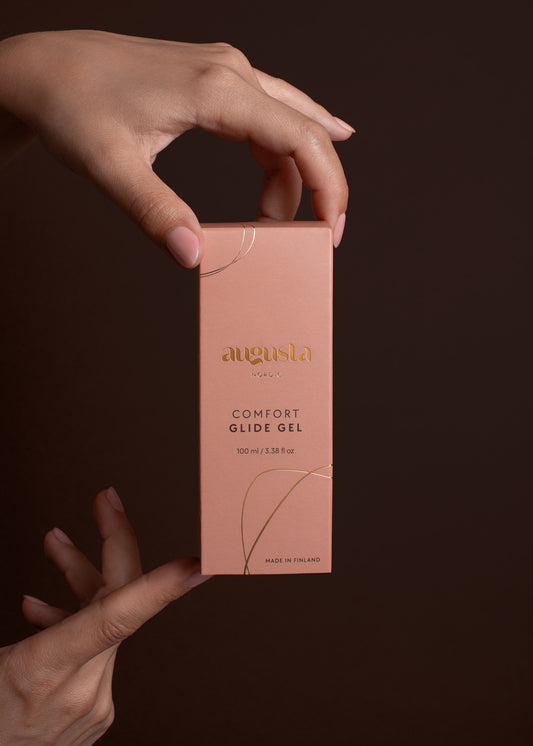
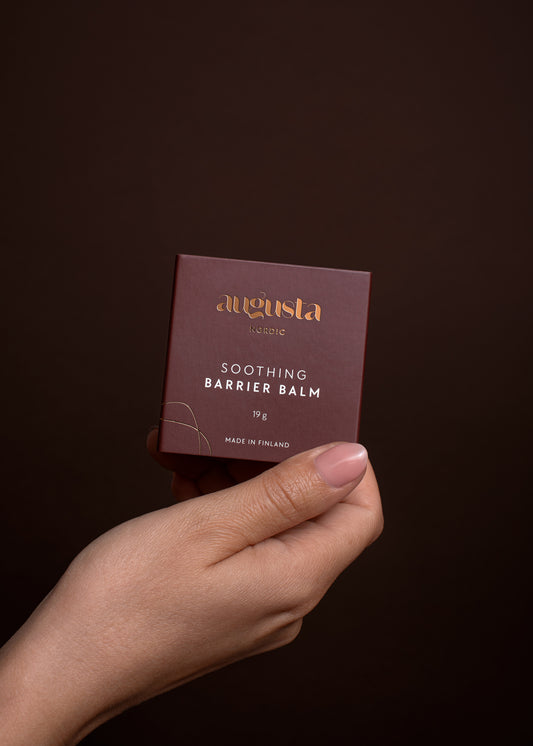
Let’s connect the dots because this is where it gets very Augusta. The gut microbiome influences systemic inflammation. Inflammation affects skin, mucosa and barrier function. Hormone shifts affect hydration, elasticity and sensitivity.
Your gut health may directly impact how your intimate skin feels. Dryness. Irritation. Sensitivity. It’s not just “local” but it’s systemic.
The Augusta Take: Inside-Out Care
At Augusta Nordic, we believe that you can’t separate intimate wellbeing from whole-body biology. That’s why the future of care looks like:
- Supporting the microbiome
- Respecting natural pH and ecosystems
- Using ingredients that work with your body, not against it
- Because your body isn’t failing you. It’s adapting.
The Bottom Line
Menopause isn’t just a hormone story. It’s a microbiome story, too. And the more we understand that connection, the more power we have to feel better, age stronger, stay fully ourselves without shrinking. No silence. Just better science.
Sources & Further Reading
MDPI (2026): Diet, the Gut Microbiome, and Estrogen Physiology
Frontiers in Endocrinology (2025): Gut microbiota & menopause
PubMed (2025): Microbiome as regulator of estrogen
Nutrients (2021): Nutrition in postmenopausal women
You might also enjoy our related blog post about The Importance of Gut Health During Perimenopause.