


A changing intimate scent is common during perimenopause and menopause but there are many ways to support your vaginal microbiome and reduce unwanted odors naturally. Hormonal changes can affect vaginal pH, moisture levels, the microbiome, and even bladder function. As a result, many notice changes in their intimate scent during midlife. While some changes are completely normal, there are proactive steps you can take to support your intimate wellbeing and help prevent unwanted odors before they become a concern.
Support Your Vaginal Microbiome
The vaginal microbiome is your body's natural defense system. During the reproductive years, estrogen helps beneficial Lactobacillus bacteria thrive. These bacteria produce lactic acid, maintaining an acidic pH that discourages harmful microbes. As estrogen declines during perimenopause and menopause, Lactobacillus levels often decrease, allowing the vaginal environment to become less acidic.
To support your microbiome:
- Avoid harsh soaps and aggressive cleansing.
- Choose gentle, pH-balanced intimate care products.
- Avoid unnecessary vaginal douching.
- Consider discussing probiotics with your healthcare provider if you experience recurrent infections.
- Remember: the goal isn't to eliminate all scent. A healthy vagina naturally has its own smell.
Keep the Vulva Moisturized
Many odor complaints during menopause are actually linked to dryness and irritation. Dry tissues are more vulnerable to friction, microtears, and inflammation, which can disrupt the local environment and contribute to discomfort and odor changes. Support skin comfort by using a nourishing barrier balm or moisturizer designed for intimate skin. Avoiding products containing alcohol or strong fragrances and addressing persistent dryness with a healthcare professional. Healthy skin is more resilient and often less prone to irritation-related odor changes.
Wear Breathable Fabrics
Your underwear matters more than you may think. Synthetic materials can trap heat and moisture, creating an environment where odor-producing bacteria and yeast thrive. For everyday comfort choose breathable natural fibers such as cotton, bamboo, or merino wool. Change out of sweaty exercise clothing promptly and avoid tight-fitting clothing for extended periods. Many women also find that sleeping without underwear occasionally allows the skin to recover and breathe.
Stay Hydrated
Hydration doesn't just benefit your skin, it also affects intimate wellness. Concentrated urine often has a stronger ammonia-like smell, which can be mistaken for vaginal odor. To help drink water consistently throughout the day. Increase fluid intake during hot weather and exercise. Limit excessive alcohol consumption if dehydration is an issue. Sometimes improving hydration alone noticeably reduces odor concerns.
Support Pelvic Floor Health
A surprisingly common source of odor during menopause is mild urinary leakage. Even tiny amounts of urine trapped in underwear or on the skin can create unpleasant odors. Pelvic floor exercises and physiotherapy may help improve bladder control and reduce leakage.
Signs you may benefit from pelvic floor support include leaking when coughing or laughing, frequent urgency and difficulty fully emptying the bladder. Addressing urinary health can significantly improve confidence and comfort.
Pay Attention to Your Diet
There is no magical food that will make the vagina smell like flowers. However, overall dietary habits influence inflammation, microbiome health, hydration, and general wellbeing. A diet rich in vegetables, fruits, fiber and healthy fats. Adequate protein supports both gut and vaginal health. Emerging research suggests that the gut microbiome and vaginal microbiome may be more connected than previously thought.
Practice Gentle Intimate Care
More washing is not always better. Over-cleansing can strip the skin of its natural protective oils and disrupt microbial balance. Instead, wash the vulva gently, avoid scented sprays and deodorants, skip internal cleansing products and stop using soaps. Use products specifically formulated for intimate skin. Your body already has sophisticated systems for maintaining vaginal health.
Don't Ignore Persistent Symptoms
While many odor changes are normal, some require medical attention. See a healthcare professional if you experience:
- Fishy odor
- Unusual discharge
- Persistent itching
- Burning Pain
- Recurrent infections
Early treatment can prevent more serious complications and improve quality of life.
Prevention Is Easier Than Repair
The best approach to intimate wellbeing is often preventative. Supporting your microbiome, maintaining hydration, caring for intimate skin, wearing breathable fabrics, and addressing pelvic floor health can all contribute to greater comfort and confidence during perimenopause and menopause. A healthy vagina isn't odorless but when your body is supported, it is often more balanced, comfortable, and resilient.
Augusta's Daily Routine for Supporting Intimate Freshness
When it comes to preventing unwanted intimate odors, consistency matters more than perfection. Small daily habits can help support your vaginal microbiome, skin barrier, moisture balance, and overall intimate wellbeing. Here's a simple routine inspired by the principles of intimate wellness during perimenopause and menopause.
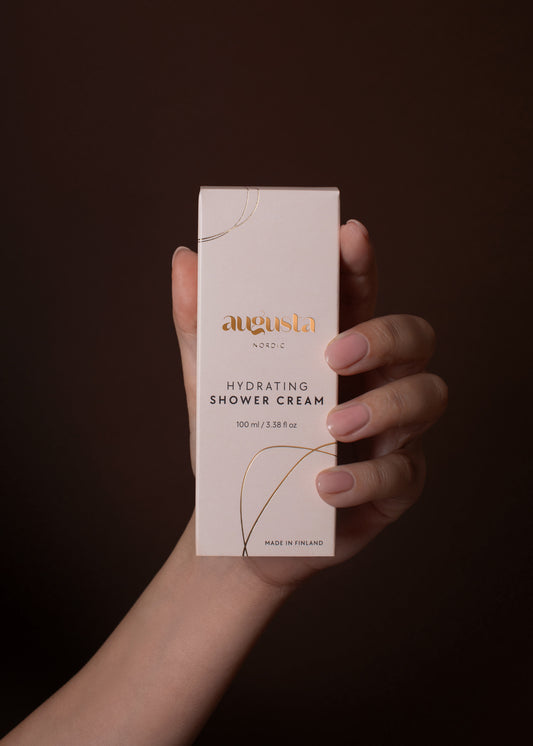
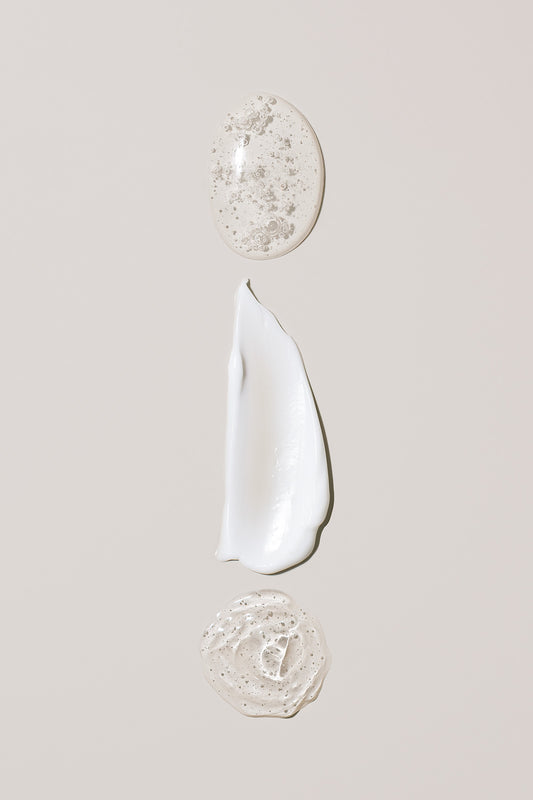
Morning: When showering, cleanse the external intimate area with a gentle, pH-balanced product designed specifically for intimate skin. Augusta Hydrating Shower Cream helps support the skin's natural balance with moisturizing ingredients, xylitol, and Lactobacillus ferment while cleansing without the harshness of traditional soaps. Remember: the goal is not to eliminate your natural scent but to support the healthy environment that helps your body stay balanced.
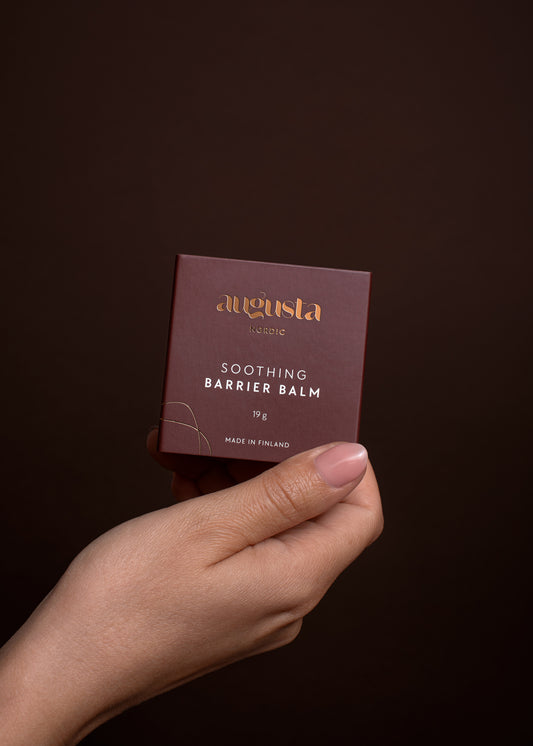
During the Day: Drink water regularly throughout the day to help prevent concentrated urine, which can sometimes contribute to ammonia-like odors. Choose breathable underwear made from natural materials such as cotton, bamboo, or merino wool. These fabrics help reduce excess moisture and improve comfort. If you experience occasional dryness, friction, or irritation, Augusta Soothing Barrier Balm can help protect and nourish the delicate vulvar skin. Healthy, comfortable skin is better able to maintain its natural protective functions.
Regular movement supports circulation, hormone health, and overall wellbeing. At the same time, don't forget your pelvic floor. Pelvic floor exercises may help reduce urinary leakage, which is a surprisingly common contributor to unwanted odors during menopause. Even small improvements in bladder control can make a meaningful difference in confidence and comfort. In the
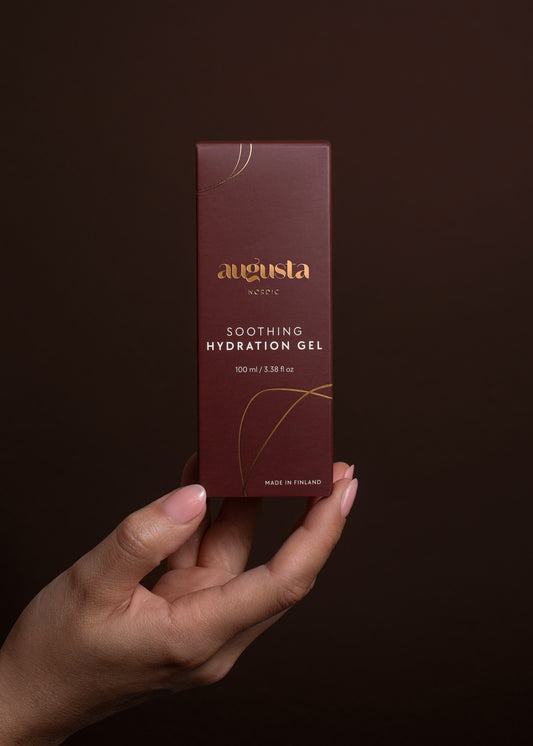
Evening: If dryness or discomfort tends to worsen later in the day, Augusta Soothing Hydration Gel can provide lightweight hydration and a refreshing cooling sensation while helping support the skin's natural pH balance. Many women find that consistent hydration of the intimate area helps improve overall comfort and reduces irritation-related discomfort.
Overnight: Your skin repairs itself while you sleep. Whenever comfortable, consider sleeping without underwear or choosing loose-fitting sleepwear to allow airflow around the intimate area. These occasional "air baths" can help reduce excess moisture and support skin comfort.
A Healthy Intimate Area Doesn't Need to Smell Like Flowers
One of the biggest misconceptions about intimate health is that the vagina should be odorless. In reality, everyone has a natural scent that changes throughout life. The goal isn't to mask or eliminate that scent, it's to support the conditions that allow your body to stay healthy and balanced. Gentle cleansing, regular hydration, breathable fabrics, pelvic floor care, and consistent support for the skin and microbiome can go a long way toward helping you feel fresh, comfortable, and confident every day. Because intimate wellness isn't about hiding your body, it's about caring for it.