



When people hear the word menopause, they often think of cisgender women in their forties or fifties. But menopause-like symptoms and hormonal changes can affect many different people, including some transgender men and transmasculine individuals. Despite this, discussions about menopause and intimate wellbeing rarely include transgender experiences. Many trans men report feeling invisible in conversations about hormonal changes, vaginal health, sexual wellbeing, and aging. It's time to change that.
What Is Medical Menopause?
Medical menopause refers to menopause-like hormonal changes caused by medical treatment rather than natural aging. For many transgender men, testosterone therapy is a life-changing and affirming treatment that helps align the body with gender identity.
One effect of testosterone therapy is the suppression of ovarian function and a significant reduction in estrogen production. Over time, these hormonal changes can create symptoms similar to those experienced during menopause.
Not every trans man experiences the same symptoms, and not everyone identifies with menopause-related terminology. However, understanding the biological changes can help explain symptoms and support overall wellbeing.
How Testosterone Affects Estrogen Levels
Testosterone therapy typically leads to:
- Cessation of menstrual periods
- Suppression of ovulation
- Reduced circulating estrogen levels
- Changes in vaginal and vulvar tissues
- Changes in pelvic floor and urinary tract health
These changes can occur gradually over months or years. While testosterone is the primary hormone used in gender-affirming treatment, estrogen still plays an important role in maintaining the health of the genital and urinary tissues. When estrogen levels decrease, the tissues may become thinner, drier, and more sensitive. This process is sometimes referred to as genital or vaginal atrophy, although many healthcare professionals now prefer terms such as Genitourinary Syndrome of Menopause (GSM) because they better describe the wide range of symptoms involved.
Common Symptoms
Some trans men on long-term testosterone therapy may experience:
Vaginal Dryness
Lower estrogen levels can reduce natural moisture and elasticity, leading to:
- Dryness
- Tightness
- Irritation
- Burning sensations
- Discomfort during sexual activity
Changes in Sexual Comfort
People may notice:
- Pain during penetration
- Increased friction
- Reduced lubrication
- Changes in sensation
- These symptoms can affect both physical comfort and emotional wellbeing.
Urinary Symptoms
Reduced estrogen levels can also affect the urinary tract, leading to:
- Increased urinary urgency
- Frequent urination
- Recurrent urinary tract infections
- Burning during urination
- Bladder irritation
Changes in Intimate Odor and Discharge
Hormonal shifts can alter the vaginal microbiome and pH balance. Some people notice:
- Different intimate odors
- Changes in discharge
- Increased sensitivity to products that were previously well tolerated
These changes are often related to hormonal and microbiome shifts rather than poor hygiene.
The Emotional Side of the Experience
For some trans men, symptoms associated with low estrogen can be particularly complex emotionally. Experiencing vaginal discomfort, discussing gynecological symptoms, or receiving menopause-related care can sometimes trigger gender dysphoria. At the same time, avoiding care because of discomfort or stigma can allow symptoms to worsen. This is why inclusive healthcare matters. Everyone deserves access to respectful, affirming care that recognizes both their gender identity and their biological health needs. Seeking support for dryness, discomfort, urinary symptoms, or pelvic pain does not make someone any less masculine. Taking care of your body is an act of self-respect.
What Can Help?
There are several approaches that may help manage symptoms.
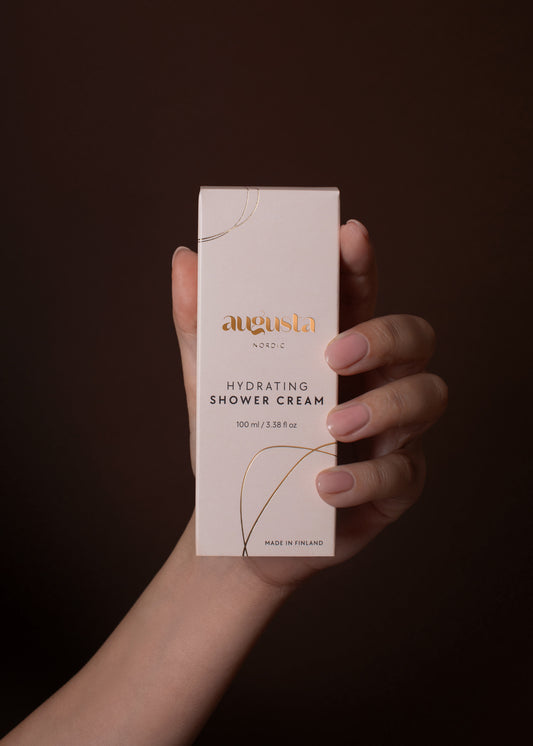
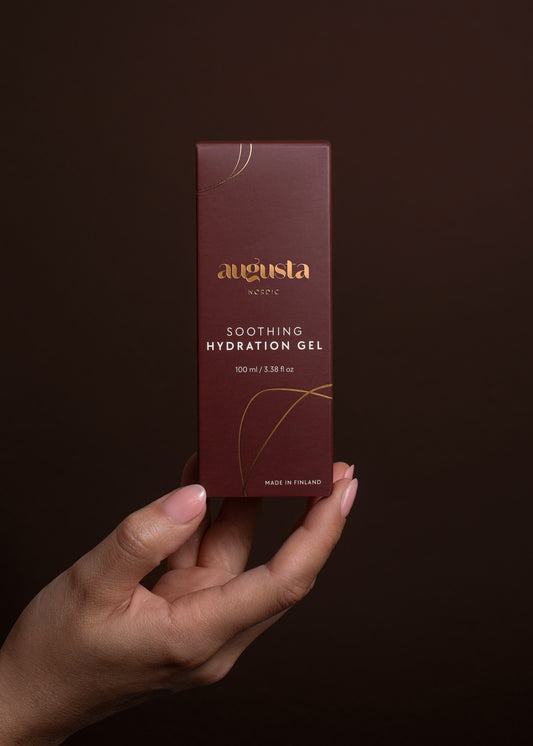
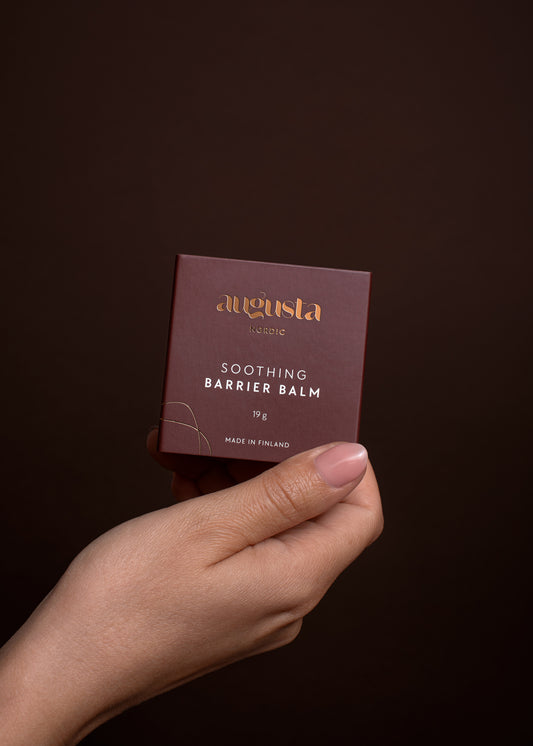
Use Gentle Intimate Care Products
The genital tissues may become more sensitive when estrogen levels are low. Consider:
- Fragrance-free or low-irritant products
- pH-balanced intimate care
- Moisturizing products designed for sensitive intimate tissues
- Avoiding harsh soaps and aggressive cleansing
- Less is often more
Prioritize Moisture
Regular use of moisturizers or hydrating products can help maintain comfort and support tissue health. Hydration is not only important during sexual activity, it can also improve day-to-day comfort.
Use Lubricants When Needed
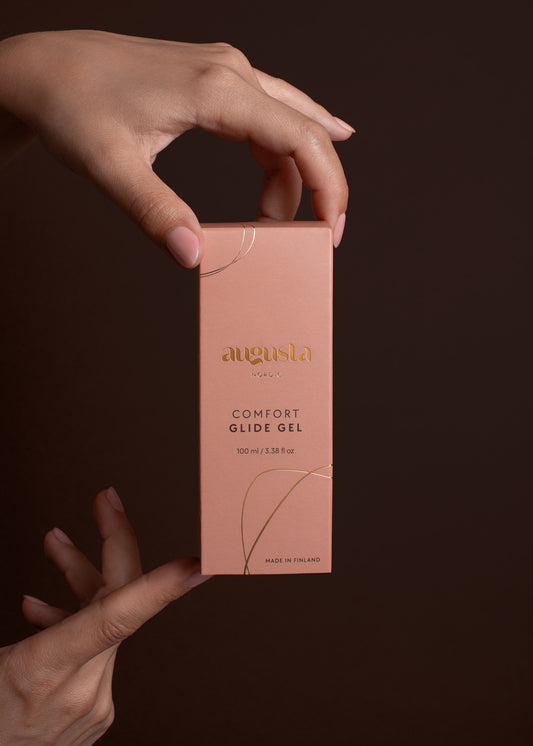
Many people find that high-quality water-based lubricants significantly improve comfort during intimacy. The right lubricant can reduce friction and irritation while supporting pleasurable experiences.
Seek Gender-Affirming Medical Care
Persistent symptoms should always be discussed with a knowledgeable healthcare professional. Treatment options may include:
- Evaluation for urinary tract conditions
- Pelvic floor therapy
- Management of recurrent infections
- Local estrogen therapy when appropriate
- Individualized symptom management plans Importantly, local vaginal estrogen treatments generally work differently from systemic hormone therapy and are sometimes used even in people receiving testosterone therapy. Decisions should always be made together with a qualified healthcare provider.
You Are Not Alone
One reason this topic receives so little attention is that many transgender men feel isolated in their experiences. Symptoms are often discussed in women's health spaces, while transgender health conversations may focus primarily on transition itself. Yet intimate wellbeing remains important throughout life.
Whether you identify as a transgender man, transmasculine, non-binary, or another gender identity, you deserve information that acknowledges your experiences and healthcare that treats you with dignity. Hormonal changes may affect your body, but they do not define who you are. The more openly we talk about these experiences, the easier it becomes for everyone to access the support, knowledge, and care they need.
A Note from Augusta Nordic
At Augusta Nordic, we believe intimate wellbeing belongs to everyone. Bodies change throughout life for many reasons; aging, medical treatments, hormonal therapies, surgeries, and personal health journeys. While experiences differ, everyone deserves access to gentle, evidence-informed intimate care and trustworthy information. Our goal is simple: to create a space where conversations about intimate wellbeing are respectful, inclusive, and free from shame.
More to read:
- A. S. Cheung et al. Transgender health and the impact of aging and menopause 2023.
- J Defreyne et al. Gender-affirming hormonal therapy for transgender and gender-diverse people—A narrative review 2024.
- Michael Toze, Sue Westwood Experiences of menopause among non-binary and trans people 2024.
- Peitzmeier SM et al. Female-to-Male Patients Have High Prevalence of Unsatisfactory Papanicolaou Tests and Vaginal Atrophy. Journal of General Internal Medicine, 2014.
- Potter J et al. Effects of Testosterone Therapy on the Vaginal Microbiome and Epithelium in Transgender Men. Sexual Medicine Reviews, 2021.
- Faubion SS et al. Genitourinary Syndrome of Menopause: Management Strategies for the Clinician. Mayo Clinic Proceedings, 2017.
- Kingsberg SA et al. Vulvovaginal Atrophy in Women in the United States. Journal of Sexual Medicine, 2013.