


Exercise can make us feel stronger, more energised and more at home in our bodies, during menopause and beyond. But sometimes, working out comes with things we rarely talk about.
Your intimate skin starts to chafe. Your vulva feels dry, sensitive or irritated after a workout. Sweat suddenly stings. A little urine leaks when you jump, run or lift something heavy.
These may not be the things we casually discuss at the gym. But perhaps they should be.
Together with Anna Seppänen, a personal trainer specialising in training women during menopause, we wanted to talk openly about some of the less-talked-about sides of exercise and, most importantly, what you can actually do about them.
When exercise suddenly feels different
Hormonal changes during perimenopause and menopause affect much more than periods, sleep and hot flashes.
Lower oestrogen levels can also affect the skin and tissues of the vulva and vagina. They may become drier, thinner and more sensitive; meaning that friction, sweat and tight clothing can suddenly feel very different from before.
The leggings you have worn for years may start to irritate your skin. A long run can leave the vulvar area feeling sore. Cycling may create uncomfortable friction. Even sweat can start to sting sensitive, dry skin.
Sometimes the first sign that something has changed is simply is that exercise doesn’t feel quite as comfortable as it used to.
Anna Seppänen, Personal Trainer:
“These issues are very common, yet they come up surprisingly rarely during training sessions. In my sessions, they tend to be mentioned when we’re doing exercises involving heavy lifting or jumping – and often through humour.
It’s completely understandable that talking about intimate issues requires trust and the right context. However, it’s worth mentioning them to your trainer, as exercises can often be adapted in ways that help reduce the problem.
It can also be reassuring to realise how many others are dealing with the same thing – you’re not alone with something that may feel embarrassing. At worst, staying silent can lead to gradually avoiding certain exercises or even giving up training altogether.”
Chafing? It might not be your leggings
Chafing is simple mechanics: repeated friction between skin and skin, clothing, seam or equipment. Add heat and sweat, and that friction can become even more noticeable.
But there is another piece of the puzzle.
During menopause, intimate skin may be drier and more sensitive than before. This means the same run, bike ride or pair of workout leggings that never caused a problem in your thirties or forties may suddenly leave your skin feeling irritated.
Common trouble spots include the inner thighs, groin and external intimate area.
Fortunately, a little preparation can go a long way.
Choose breathable clothing that feels comfortable against the skin, change out of damp workout clothes after exercising and protect areas that are particularly prone to friction.
Before you move: protect the skin from friction
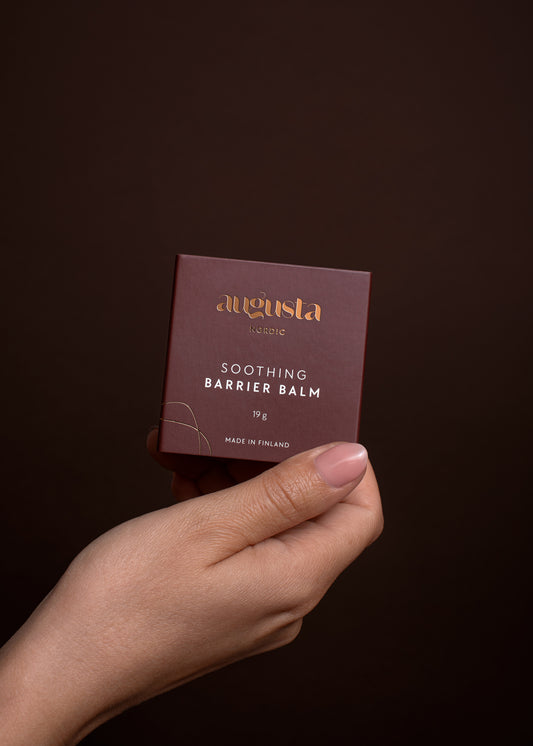
If you know exactly where your skin tends to rub, apply a thin layer of Soothing Barrier Balm before your workout.
The water-free balm forms a protective layer on the skin and helps reduce friction. Think long walks, running, cycling or any workout where repeated rubbing tends to leave your skin uncomfortable afterwards.
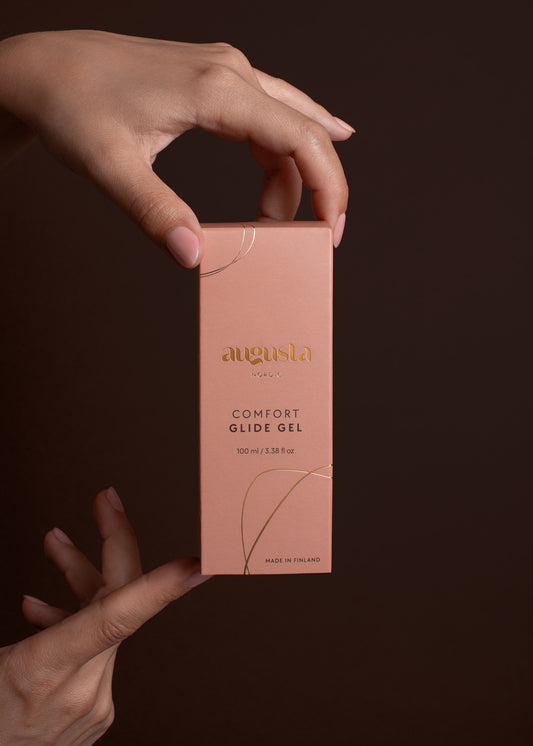
Some prefer using Comfort Glide Gel -lubrication on spots that gets easily friction.
It is a small addition to your pre-workout routine, but your skin may thank you for it.
“I only leak a little when I jump”
Then there is another gym topic that is surprisingly easy to keep to yourself. Bladder leaks.
Perhaps it happens during jumping exercises, when running downhill, during a heavy lift. Or maybe you have simply learned to empty your bladder immediately before every workout and choose your leggings accordingly.
Urinary leakage can occur when activities such as running, jumping or lifting increase pressure inside the abdomen. Hormonal changes around menopause can also affect the tissues of the vagina, urethra and pelvic floor, and it's not always related to pelvic floor muscles.
Bladder leaks are common. But common does not mean that you simply have to put up with them.
Anna Seppänen, Personal Trainer:
“Urinary leakage and other intimate issues during exercise are very common and can affect anyone, regardless of age or whether they have given birth.
The good news is that these issues can often be improved – sometimes surprisingly easily, for example by making changes to breathing or exercise technique. There’s no need to avoid exercise, give up a particular sport or stop doing something you enjoy because of these problems.
Just as with any other aspect of training, it’s important to choose exercises and methods that suit your current level and progress gradually towards more challenging training.”
And pelvic floor function is not simply a question of whether your pelvic floor is “strong enough”. Breathing, pressure management, coordination and the way the whole body works during movement can all matter.
This is also where we happily hand the microphone to Anna.
Should you stop running or jumping?
Not necessarily.
In her own article, Anna looks at bladder leaks, jumping, lifting and pelvic floor function from a training perspective – including what you can change in your training instead of automatically giving up activities you enjoy.
If urinary leakage is frequent, significant, painful or starts affecting your everyday life or willingness to exercise, talk to a healthcare professional or pelvic health physiotherapist.
Sweaty workout? Your intimate area doesn’t need a deep clean
After a sweaty workout, your first instinct may be to wash thoroughly. But when it comes to intimate skin, more cleansing is not necessarily better.
The vulva does not need harsh soaps, fragrances or aggressive washing. And if the skin is already dry and sensitive, over-cleansing may leave it feeling even more uncomfortable.
Instead, keep things simple.
Change out of damp workout clothes when you can. Cleanse the external intimate area gently. And if your skin feels dry afterwards, give it moisture rather than another round of washing.
After your workout: cleanse gently and add moisture
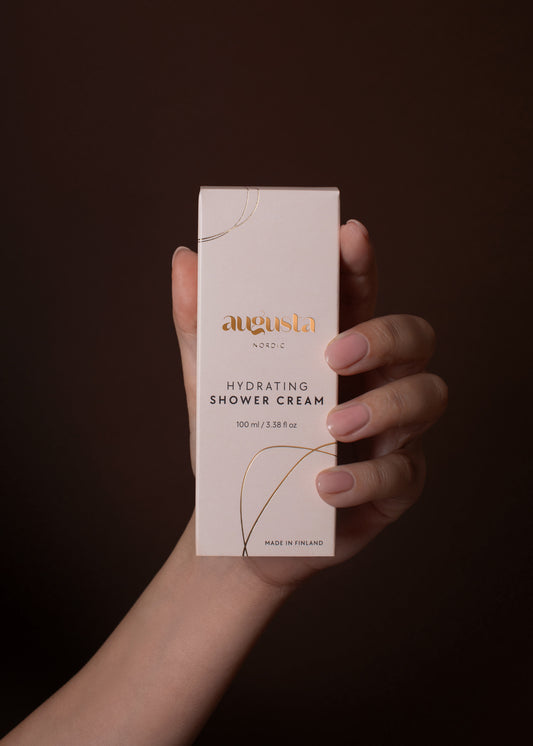
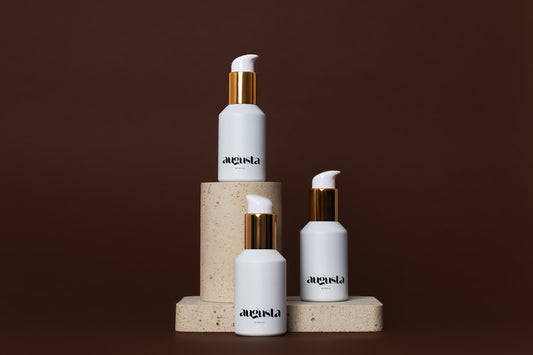
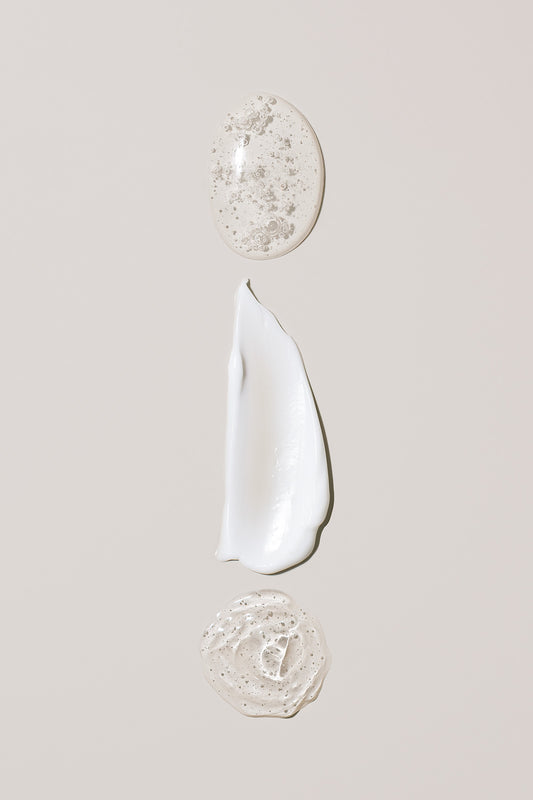
Hydrating Shower Cream was developed specifically for dry and sensitive intimate skin. The creamy formula gently cleanses the external intimate area without leaving the skin feeling stripped. And because it is a cream rather than a traditional wash, it can also be left on the external skin as a moisturising care product when needed.
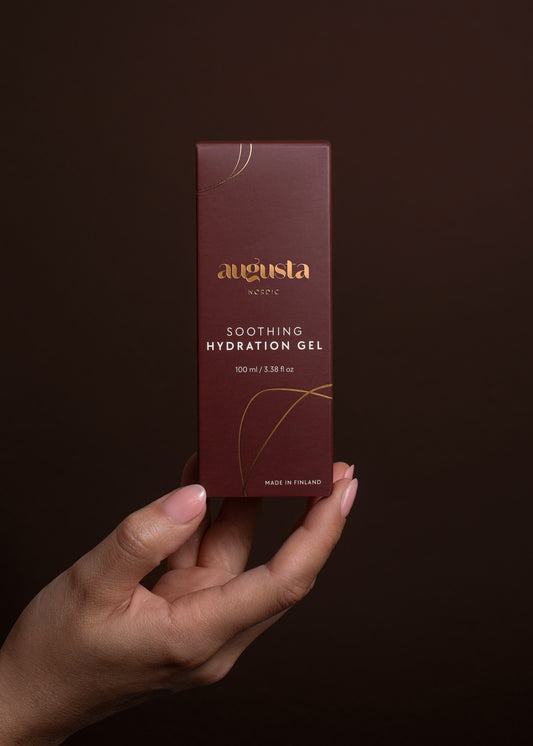
If your vulvar skin feels dry, warm or uncomfortable after exercise, Soothing Hydration Gel provides lightweight hydration with a fresh, cooling sensation.
No complicated routine required.
Three little things your gym bag might appreciate
Taking care of intimate skin around exercise can be surprisingly simple.
Before exercise
Protect friction-prone areas with Soothing Barrier Balm or with Comfort Glide Gel.
After exercise
Cleanse sensitive intimate skin gently with Hydrating Shower Cream.
Whenever your vulvar skin needs extra hydration
Reach for Soothing Hydration Gel.
And if carrying three full-size products to the gym sounds slightly excessive, we fully agree. Augusta Nordic single-use sachets slip easily into a gym bag, running vest or wash bag.
The things we don’t talk about are often the things we should
Thankfully, conversations around menopause are changing. We talk about hot flashes. Sleep. Hormones. Strength training. Protein. Bone health.
But intimate dryness? Chafing? Bladder leaks during burpees?
Those conversations still have a tendency to become very quiet.
We would like to change that.
A changing body does not mean you have to stop doing the things you enjoy. Sometimes a little extra care for your skin makes a difference. Sometimes your training needs adjusting. Sometimes it is worth asking a professional for help.
And sometimes it simply helps to hear: Yes, this happens to other women too. And yes, we can talk about it.
For the training side of the conversation, head over to Anna Seppänen’s article about menopause, bladder leaks and exercise.