


Most people choose a lubricant based on how it feels. Is it slippery enough? Does it last? Is it sticky? But there is another characteristic that is rarely discussed, even though it can have a significant impact on the health of intimate skin and mucous membranes. It's called osmolality.
Understanding osmolality can help you choose a lubricant that not only feels good during use but also supports the long-term health of your intimate tissues.
What is osmolality?
Osmolality describes the concentration of dissolved ingredients in a liquid. Our body's cells naturally contain water. When a lubricant has a very high concentration of dissolved substances (high osmolality), it creates an imbalance. Water is drawn out of the cells through osmosis in an attempt to equalise that difference. The result? The delicate cells of the vaginal or vulvar tissue can become dehydrated.
For healthy skin elsewhere on the body this might not be a major issue. But vaginal and vulvar tissues are exceptionally delicate and depend on adequate moisture to stay healthy and resilient. Repeated exposure to highly hyperosmolar (high osmolality) lubricants may:
- increase dryness after use
- contribute to irritation or burning sensations
- weaken the natural mucosal barrier
- potentially make tissues more susceptible to tiny abrasions
For anyone already experiencing hormonal dryness, during perimenopause, menopause, postpartum or while breastfeeding, this becomes even more important.
What do experts recommend?
The World Health Organization (WHO) recommends choosing lubricants with an osmolality below 1,200 mOsm/kg, while products closer to the body's natural osmolality (around 380 mOsm/kg) or intimate are's osmolality (around 290 mOsm/kg) are considered even more physiologically compatible.
Unfortunately, many conventional lubricants on the market greatly exceed these recommendations. Some products have osmolality values several times higher than the WHO guideline because they rely on large amounts of humectants such as glycerin or propylene glycol to create a slippery feel. While these ingredients are not inherently harmful, using them in high concentrations may increase osmolality considerably. The challenge for formulators is finding the perfect balance between performance, safety and comfort.
Different types of lubricants
Not all lubricants behave the same. Each category has its own advantages and limitations.
Water-based lubricants
Water-based lubricants are the most versatile option. They are compatible with condoms and silicone toys, easy to wash away and suitable for daily use. However, formulation quality varies enormously. Some water-based lubricants have extremely high osmolality despite being marketed as gentle. Others may contain unnecessary fragrances, dyes or ingredients that can irritate sensitive skin. A well-formulated water-based lubricant combines excellent glide with physiological compatibility.
Silicone-based lubricants
Silicone lubricants provide exceptional long-lasting glide because they are not absorbed into the skin as quickly. They are often preferred for prolonged intimacy, swimming or shower use and people seeking maximum longevity. However, silicone lubricants are generally not recommended with silicone sex toys, they can leave residue on skin and fabrics. They also may feel too heavy for some users, and they do not provide hydration to dry tissues.
Oil-based lubricants
Natural oils and oil-based lubricants can feel luxurious and nourishing. However, they also have important limitations. Most oils are not compatible with latex condoms, can be difficult to wash away, they may alter the vaginal environment, trap bacteria or residues if not cleansed properly. Using household oils such as coconut oil may sound appealing because they are "natural," but they have not been formulated specifically for vaginal use and may not be suitable for everyone.
Lubrication is only one part of comfort
A lubricant should never simply mask discomfort. Persistent dryness, burning or pain during intimacy is often a sign that the underlying skin needs hydration and barrier support, not just temporary slipperiness.
Hormonal changes affect the intimate area in much the same way they affect facial skin. The tissues become thinner, drier and more fragile. Supporting the skin every day with appropriate moisturising products can make lubricants work even better when intimacy occurs.
Why we formulated Comfort Glide Gel differently
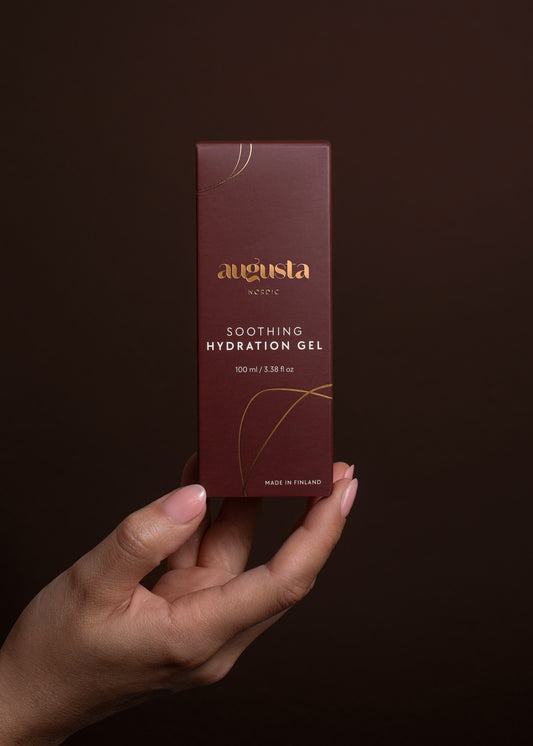
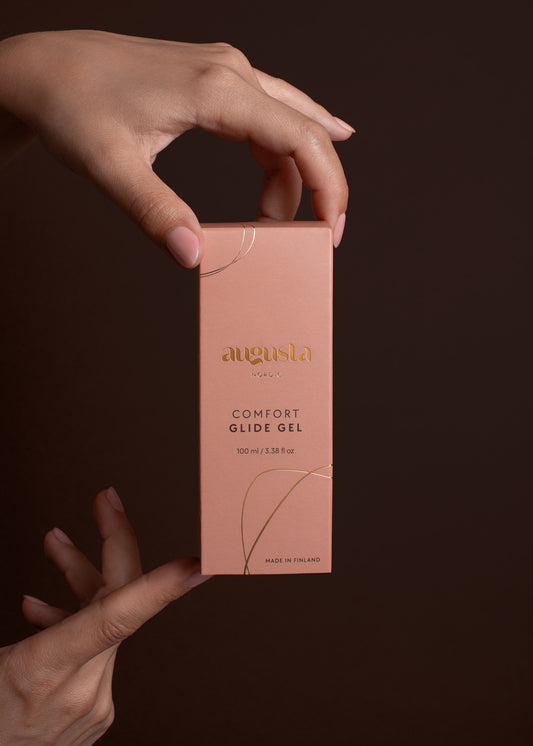
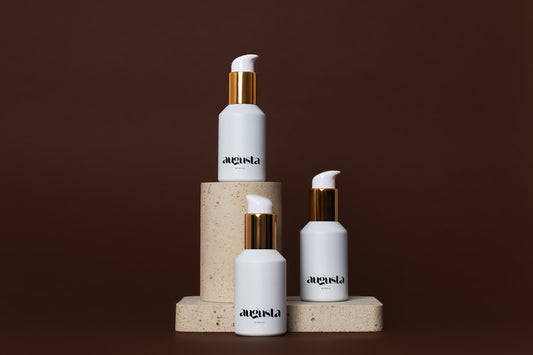
At Augusta Nordic, we believe a lubricant should work with your body, not against it. Comfort Glide Gel was developed specifically for sensitive intimate skin and hormonal dryness. Instead of chasing the longest possible glide by dramatically increasing osmolality, we focused on creating a formula that balances performance with intimate skin health.
Optimised osmolality
Comfort Glide Gel has an optimised osmolality of approximately 300 mOsm/kg, placing it remarkably close to physiological conditions in the intimate area and well within WHO recommendations. This helps minimise water loss from delicate tissues while still providing long-lasting comfort and glide. For people experiencing vaginal dryness during perimenopause or menopause, this difference matters.
A carefully selected ingredient list
Every ingredient has a purpose.
Hydroxyethylcellulose
A gentle plant-derived thickener that creates a silky, lightweight glide without relying on excessive amounts of sugars or polyols that would dramatically increase osmolality. It gives Comfort Glide Gel its smooth, elegant texture while remaining kind to sensitive skin.
Xanthan Gum
A naturally fermented polysaccharide that improves texture and stability. Rather than creating a sticky feel, it contributes to a soft, cushion-like glide that remains comfortable during use.
Glycerin
Glycerin is one of the most effective moisturising ingredients available. Rather than avoiding glycerin altogether, we use it thoughtfully, in a balanced amount that helps attract moisture without pushing the formula into excessively high osmolality. As with many cosmetic ingredients, the dose makes the difference.
Lactic Acid
Healthy vaginal pH is naturally acidic. Lactic acid helps support this environment, creating conditions that favour beneficial Lactobacillus bacteria and the natural microbiome. Maintaining the correct pH is especially important during hormonal changes when vaginal acidity often decreases.
pH-balanced for intimate health
Comfort Glide Gel is formulated to match the natural acidic environment of the vagina. Supporting the correct pH helps maintain microbial balance and contributes to long-term intimate comfort.
Compatible with condoms and intimate devices
Comfort Glide Gel is water-based, making it suitable for use with:
- latex condoms
- polyurethane condoms
- polyisoprene condoms
- silicone intimate devices
- menstrual cups
Choosing a lubricant is choosing long-term comfort
A lubricant shouldn't only feel good in the moment. It should also respect the biology of one of the body's most delicate tissues. When choosing a lubricant, consider more than marketing claims. Ask: Is it pH-balanced? What is its osmolality? Is it designed for sensitive skin? Does it support the vaginal microbiome? Does it contain only ingredients that truly serve a purpose?
The answers can make a meaningful difference, not only to intimacy today, but to intimate wellbeing for years to come.
At Augusta Nordic, we believe intimate skincare deserves the same scientific attention as facial skincare. Because comfort shouldn't end when the moment is over.
References
World Health Organization & United Nations Population Fund. Use and procurement of additional lubricants for male and female condoms: WHO/UNFPA/FHI360 Advisory Note.
World Health Organization. Technical specifications for lubricants.
Dezzutti CS et al. Is wetter better? An evaluation of over-the-counter personal lubricants for safety and anti-HIV-1 activity.
PLoS One. Fuchs EJ et al. Hyperosmolar sexual lubricant causes epithelial damage in the distal colon. Sexually Transmitted Diseases.